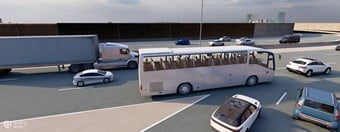
The Treasure State offers plenty of opportunities for passenger-endorsed CDL drivers. From Billings, Missoula, Bozeman, Great Falls, Helena, Kalispell, and Butte to mountain towns, you can find jobs in national-park gateways, ski areas, tribal communities, airport routes, charter trips, church outings, school activity travel, senior transportation, and more. Montana depends on well-prepared drivers to move people safely. If you plan to drive a commercial motor vehicle designed to transport 16 or more people, including yourself, you’ll need a Passenger "P" endorsement. Our Montana MVD CDL Passenger Endorsement Practice Tests are your key to passing the official Montana MVD Passenger Transport Test on the first attempt. This official exam covers material found in the general safe-driving and passenger-transport sections of the state CDL manual. It requires a minimum passing score and can often have tricky wording that trips up even the most prepared applicants. Our interactive, AI-powered practice tests are designed to mirror the wording of the official exam and feature a Challenge Bank™ that remembers any questions you miss and places them back in your queue until you answer them correctly. Master this practice test and try another: https://driving-tests.org/montana/mt-cdl-passenger-vehicles-practice-test/.
Depending on the vehicle you plan to drive, you may also need to pass the separate Air Brakes Knowledge Test. If the bus has air brakes, including air-over-hydraulic brakes, passing the Air Brakes test is required. We have practice tests for that, too! Check them out: https://driving-tests.org/montana/mt-cdl-air-brake-practice-test/.
Our content experts have removed unnecessary fluff, so there is no more guesswork as to what to focus your studies on for the official exams. The bulk of the Endorsement Exam focuses on your understanding of how to keep passengers safe. This includes pre-trip inspections and post-shift inspections, where you are expected to know how to inspect the service brakes, parking brake, steering mechanism, lights, reflectors, tires, horn, windshield wipers, mirrors, wheels, rims, coupling devices, and emergency equipment. You must also inspect the inside of the bus, where aisles and stairwells must be clear, handholds and railings must be secure, signaling devices must work, seats must be safely fastened, and emergency exits must be marked, accessible, and ready for use.
During the trip, you’ll need to know how to load and unload passengers safely, manage carry-on baggage, follow hazardous-materials restrictions, and much more. All of these expectations are covered in our state-specific series of practice tests and preparatory materials. Get started today!